
AI in Historical Research: Case Studies
Explore real-world examples of how artificial intelligence has transformed historical research and uncovered new insights into the past.
Notable Applications of AI in Historical Research
Artificial intelligence has been successfully applied to numerous historical research projects, demonstrating its potential to transform how we understand the past. These case studies illustrate the diverse ways AI can assist historians and researchers.
From analyzing ancient manuscripts to reconstructing lost historical narratives, AI technologies have enabled breakthroughs that would have been impossible using traditional research methods alone. The following examples showcase the range and impact of AI applications in historical research.

Medieval Manuscript Analysis
Researchers used machine learning algorithms to analyze thousands of medieval manuscripts, identifying patterns in handwriting, dating documents, and connecting texts to specific scriptoria or regions.
The AI system processed digitized manuscripts, recognizing stylistic features and comparing them across collections. This analysis helped researchers understand how manuscripts were produced, distributed, and preserved throughout medieval Europe.
Results revealed previously unknown connections between manuscripts, identified patterns in text transmission, and provided insights into medieval literacy and book production practices.

Newspaper Archive Analysis
A project analyzing historical newspapers used natural language processing to track changes in public discourse, identify major themes, and understand how news coverage evolved over time.
The AI system processed millions of newspaper articles spanning decades, identifying key topics, tracking sentiment, and recognizing shifts in public opinion. This analysis revealed patterns in how societies discussed important issues.
Researchers discovered how certain topics gained or lost prominence, how language around social issues changed, and how media coverage influenced public understanding of historical events.

Genealogical Research Enhancement
AI systems have been used to analyze genealogical records, connecting family relationships across multiple databases and identifying patterns in migration and family structures.
Machine learning algorithms processed birth, marriage, and death records, identifying connections between individuals even when records were incomplete or contained errors. This helped researchers build comprehensive family trees.
The analysis revealed migration patterns, identified common naming conventions, and helped researchers understand how families moved and settled in different regions throughout history.
Archaeological Data Integration
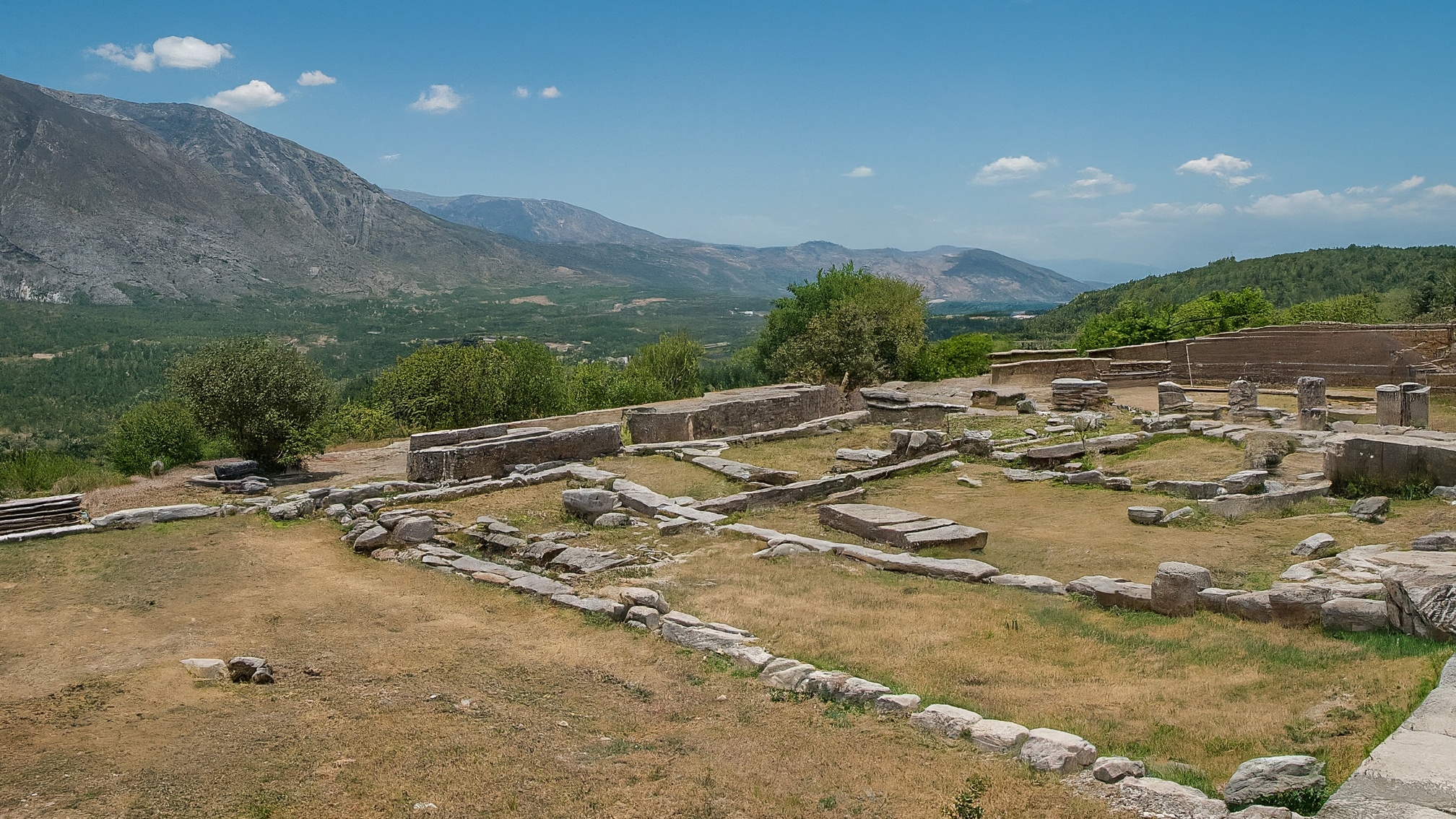
Researchers combined AI analysis with archaeological findings to reconstruct historical landscapes and understand how ancient civilizations organized their settlements and infrastructure.
The AI system integrated data from excavations, satellite imagery, and historical texts to create comprehensive models of ancient cities and regions. This helped researchers understand urban planning and development.
Results provided new insights into how ancient societies managed resources, organized space, and adapted to environmental changes. The integrated analysis revealed patterns that were not apparent when examining individual data sources separately.
Lessons Learned from AI Historical Research
These case studies demonstrate several important principles for applying AI to historical research. First, AI works best when combined with human expertise, as historians provide context and interpretation that AI systems cannot generate independently.
Second, successful AI applications require careful preparation of historical data, including digitization, cleaning, and organization. The quality of AI analysis depends heavily on the quality of input data.
Third, AI tools are most effective when researchers have clear research questions and understand both the capabilities and limitations of AI technologies. Successful projects combine AI analysis with traditional historical research methods.
Finally, these case studies show that AI can reveal patterns and connections that might not be apparent through traditional research methods, but human researchers must verify AI findings and provide historical context. The combination of AI analysis and human interpretation creates the most powerful research methodology.